

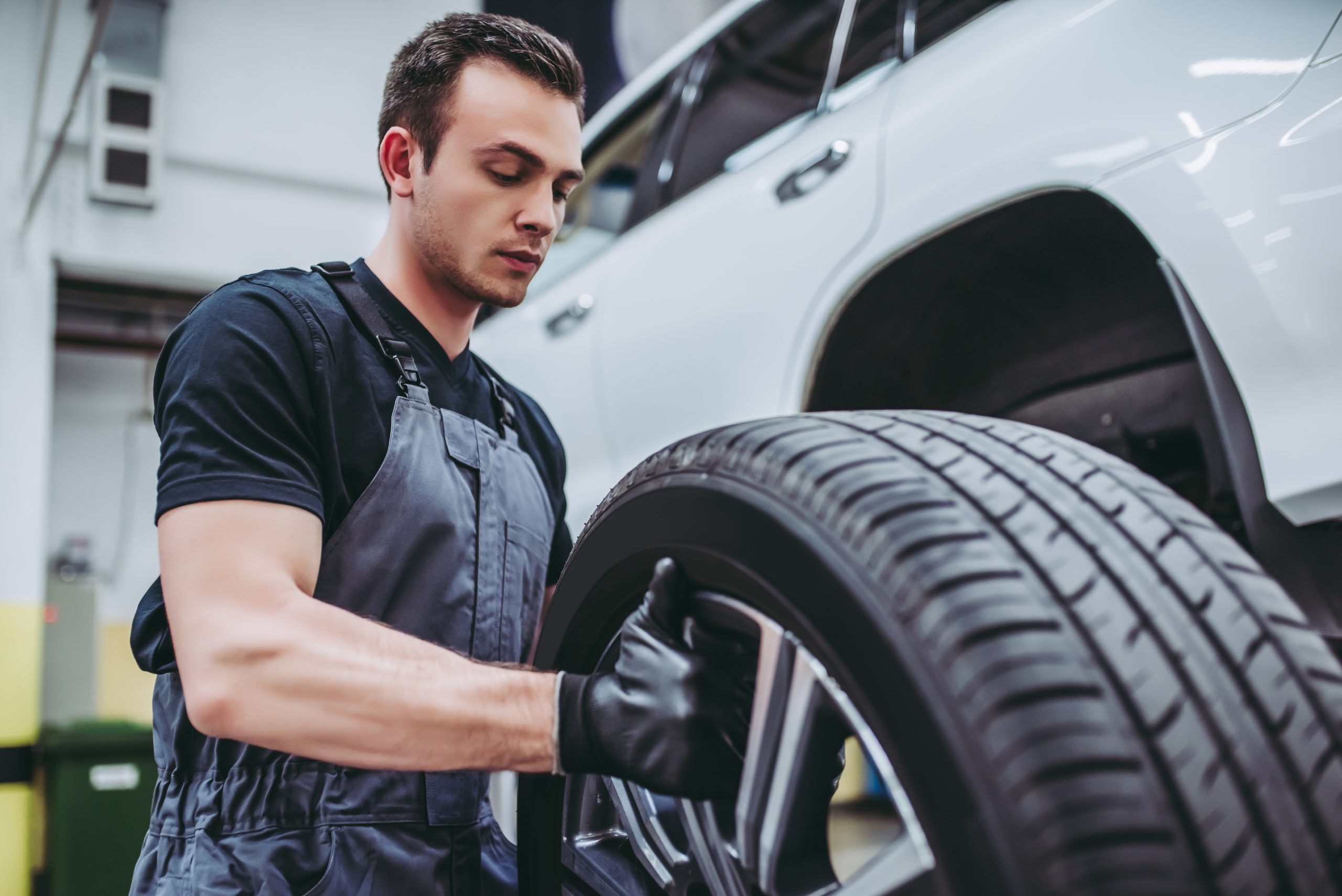
At Sunrise Ford in Sunrise, FL, we want you to know that your vehicle’s only point of contact with the road is its tires. This makes understanding tire safety standards incredibly important. If you are commuting across town or heading out on a weekend road trip, what is beneath your vehicle matters. Drivers should get familiar with the latest updates to tire regulations and what they mean for day-to-day driving. Reach out to our service team today for more info and to ensure your tires are fully road-ready.
Evolving Tire Safety Standards
Tire safety standards in 2026 bring updated expectations for how tires are rated, labeled, and inspected. Federal guidelines have evolved to reflect advances in manufacturing, changes in vehicle weight classifications, and a growing focus on electric vehicle compatibility. These benchmarks are designed to reduce blowouts, improve wet-weather handling, and extend tire life. Manufacturers now provide more transparent information about load capacity, speed ratings, and temperature resistance directly on the sidewall.
Decoding Tire Ratings
The Uniform Tire Quality Grading system grades tires on treadwear, traction, and temperature resistance. Treadwear grades indicate how long a tire should last relative to a standard reference tire. Traction grades range from AA down to C, indicating stopping ability on wet pavement. Temperature grades of A, B, or C reflect the ability to dissipate heat at sustained speeds. Choosing the right grades for your driving habits is a practical step to take.
Updated Inspection Guidelines
Routine tire inspections look well beyond simple tread depth. Technicians examine sidewall integrity, valve stem condition, pressure consistency, and signs of uneven wear. The legal minimum tread depth in most states remains 2/32″, but many safety experts recommend replacing tires at 4/32″ for improved wet performance. Tire age is also crucial. Most manufacturers recommend replacing tires that are six years old or older. The manufacturing date is a four-digit DOT code on the sidewall, representing the week and year.
Ford Vehicles and Tire Safety
Ford vehicles are built with safety in mind. If you drive an F-150 for hauling gear, a Bronco for off-road trails, or a Mustang Mach-E (which offers an EPA-estimated battery range of up to 320 miles) on city streets, the right tires maximize performance. Ford’s tire pressure monitoring system alerts drivers when pressure drops to unsafe levels. Checking tire pressure monthly and rotating tires every 5,000 to 7,500 miles aligns with safety standards.
Schedule Your Tire Inspection Today
Keeping compliant with safety standards requires consistent habits. Check your tire pressure at least once a month and visually inspect your tires for cracks or debris. If your vehicle is overdue for a tire rotation or replacement, staying proactive is far less costly than a failed inspection. For any questions, Sunrise Ford in Sunrise, FL, is fully equipped to inspect your tires and keep you safe on the road.
Connect with us


Archives
- 2026 Ford hybrid lineup
- Decoding Tire Ratings
- Escape Hybrid and the Maverick Hybrid
- F-150® at Sawgrass Ford
- F-150® vs Silverado 1500
- Ford F-150®
- Ford Lineup at Sawgrass Ford
- Ford Vehicles and Tire Safety
- Ford's Best Gas Mileage Models at Sawgrass Ford
- Ford's lineup
- Ford's SUV lineup
- Fuel Efficiency
- Sunrise, FL Ford Dealer
- Super Duty® trucks
- Technology
- Tire Safety Standards
- Uncategorized
