

Blog / Decoding Tire Ratings

Tire Safety Standards Every Driver Should Know in 2026

A mechanic wearing gloves installs a tire on a vehicle in an auto repair shop.

At Sunrise Ford in Sunrise, FL, we want you to know that your vehicle's only point of contact with the road is its tires. This makes understanding tire safety standards incredibly important. If you are commuting across town or heading out on a weekend road trip, what is beneath your vehicle matters. Drivers should get familiar with the latest updates to tire regulations and what they mean for day-to-day driving. Reach out to our service team today for more info and to ensure your tires are fully road-ready.

Evolving Tire Safety Standards

Tire safety standards in 2026 bring updated expectations for how tires are rated, labeled, and inspected. Federal guidelines have evolved to reflect advances in manufacturing, changes in vehicle weight classifications, and a growing focus on electric vehicle compatibility. These benchmarks are designed to reduce blowouts, improve wet-weather handling, and extend tire life. Manufacturers now provide more transparent information about load capacity, speed ratings, and temperature resistance directly on the sidewall.

Decoding Tire Ratings

The Uniform Tire Quality Grading system grades tires on treadwear, traction, and temperature resistance. Treadwear grades indicate how long a tire should last relative to a standard reference tire. Traction grades range from AA down to C, indicating stopping ability on wet pavement. Temperature grades of A, B, or C reflect the ability to dissipate heat at sustained speeds. Choosing the right grades for your driving habits is a practical step to take.

Updated Inspection Guidelines

Routine tire inspections look well beyond simple tread depth. Technicians examine sidewall integrity, valve stem condition, pressure consistency, and signs of uneven wear. The legal minimum tread depth in most states remains 2/32", but many safety experts recommend replacing tires at 4/32" for improved wet performance. Tire age is also crucial. Most manufacturers recommend replacing tires that are six years old or older. The manufacturing date is a four-digit DOT code on the sidewall, representing the week and year.

Ford Vehicles and Tire Safety

Ford vehicles are built with safety in mind. If you drive an F-150 for hauling gear, a Bronco for off-road trails, or a Mustang Mach-E (which offers an EPA-estimated battery range of up to 320 miles) on city streets, the right tires maximize performance. Ford's tire pressure monitoring system alerts drivers when pressure drops to unsafe levels. Checking tire pressure monthly and rotating tires every 5,000 to 7,500 miles aligns with safety standards.

Schedule Your Tire Inspection Today

Keeping compliant with safety standards requires consistent habits. Check your tire pressure at least once a month and visually inspect your tires for cracks or debris. If your vehicle is overdue for a tire rotation or replacement, staying proactive is far less costly than a failed inspection. For any questions, Sunrise Ford in Sunrise, FL, is fully equipped to inspect your tires and keep you safe on the road.

Posted in:

Related Posts

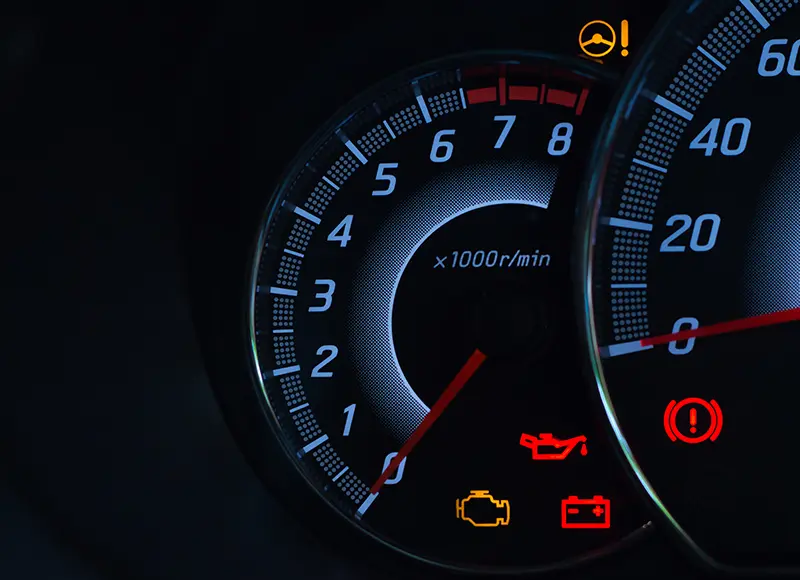
A close-up view of a car's tachometer and warning lights on the dashboard, showing the RPM gauge and various alert indicators.

Your Dashboard Lights Suddenly Came On in Your Ford: What Sunrise, Florida Drivers Should Know

When you’re driving through Sunrise, Florida, and a dreaded warning light suddenly appears on your instrument cluster, it’s easy to panic. They might catch you off-guard, but Ford dashboard lights are your vehicle's built-in communication system—they exist to alert you before a small issue becomes a larger repair. Knowing what each light means can help you make smarter decisions about when to keep driving and when to head straight to a service center. more What Ford Dashboard Lights Are Actually Telling You Not every Ford dashboard light signals an emergency, but none of them should be ignored for long. Ford vehicles use a color-coded system to indicate urgency. Red lights typically require immediate attention, yellow or amber lights suggest something needs to be checked soon, and green or blue lights are generally informational. Common examples include the check engine light, the oil pressure warning, the battery alert, and the tire pressure monitoring system indicator. Each one points to a specific system in your vehicle, and understanding the difference between them can save you time, stress, and money. The Check Engine Light: Chronically Misunderstood The check engine light is probably the most well-known, and most misunderstood, of all Ford dashboard lights. It can indicate anything from a loose gas cap to a misfiring engine. If the light is solid, the issue is generally not urgent, but the vehicle should be diagnosed soon. If the light is flashing, that’s a sign of an active misfire that could damage your catalytic converter, and you should reduce speed and seek service right away. Many drivers in Sunrise ignore a steady check engine light for weeks. That approach can turn a simple sensor issue into a more expensive repair and safety concern. Getting a diagnostic scan early is always the better call. Oil Pressure and Battery Warnings Are High Priority Two Ford dashboard lights that should never be brushed aside are the oil pressure warning and the battery alert. The oil pressure light—often shaped like an old-fashioned oil can—means your engine may not be receiving adequate lubrication. Continuing to drive with this light on can cause serious engine damage within minutes. The battery warning light indicates that the charging system isn’t operating correctly. This could mean a failing alternator, a weak battery, or a loose connection. If this light comes on, your vehicle may lose power before you reach your destination, so you should pull over and call for assistance to be safe. Tire Pressure and Other Amber Alerts on Ford Dashboard Lights Amber Ford dashboard lights are worth taking seriously even when they don’t feel urgent. The tire pressure monitoring system (TPMS) light, for example, means one or more tires may be underinflated. Driving on low tires affects handling, reduces fuel efficiency, increases wear, and can lead to a blowout. A quick stop to check pressure or a visit to your service center can resolve this fast. Other amber lights to watch for include the traction control indicator, the electronic stability control warning, and the transmission temperature alert. These point to systems that directly affect how your vehicle handles, especially in wet or unpredictable driving conditions. When to Visit a Ford Service Center If dashboard lights have suddenly come on and you don’t know why, the right move is to schedule a diagnostic appointment. Ford-trained technicians have access to the same tools and software used to build your vehicle, which means faster and more accurate diagnosis. Ford Mobile Service is also available for certain repairs and can come to your home or workplace—a convenient option for busy drivers in the Sunrise, Florida area. Visit Sawgrass Ford for Expert Dashboard Light Diagnosis Don’t wait for a minor warning to escalate into a breakdown. Your vehicle is built to tell you when something is off—the best thing you can do is listen. When Ford dashboard lights appear without warning, having a trusted service team nearby makes all the difference. Sawgrass Ford serves drivers throughout Sunrise, Florida, with certified technicians ready to diagnose and resolve warning light issues quickly. Whether it’s a check engine alert, a pressure warning, or something unfamiliar on your cluster, the team at Sawgrass Ford is here to help you get back on the road safely and securely.

Dashboard featuring a speedometer and clock, illustrating vehicle safety standards in Florida.

Florida Vehicle Safety Standards Explained: Brakes, Tires, Lights, and Equipment Requirements Every Driver Must Know

Florida roads are busy year-round, and keeping your vehicle in safe, legal condition is a responsibility every driver shares. Whether you're commuting daily or heading out on a weekend trip, understanding Florida vehicle safety standards explained in clear terms can help you avoid citations, protect your passengers, and keep traffic moving safely. Staying current with routine maintenance and inspections at the service center can also help ensure your vehicle is ready for the demands of Florida driving. Here's a straightforward look at what the state requires. more Brake Requirements Every Florida Driver Should Know Brakes are one of the most critical systems on your vehicle. Florida law requires that all motor vehicles be equipped with brakes that are adequate to control movement and stop the vehicle safely under all normal conditions. Your service brakes must be able to bring the vehicle to a complete stop within specified distances. Parking brakes must also be fully functional and capable of holding the vehicle on any grade where it might be parked. If you notice pulling, grinding, or a soft pedal, getting your brakes inspected promptly is a smart move. Tire Standards and What Florida Law Requires Florida requires that all tires meet minimum tread depth standards. The legal minimum tread depth is 2/32 of an inch, measured in the major grooves of the tire. Tires with exposed cords, bulges, or sidewall damage are not considered roadworthy. Driving on compromised tires is especially risky in Florida, where afternoon rainstorms can create wet road conditions in minutes. Keeping tires properly inflated and rotating them regularly extends their life and helps ensure your vehicle stays compliant with state standards. Lighting and Visibility Requirements Florida statutes require working headlights, taillights, brake lights, and turn signals. Headlights must be used from sunset to sunrise and anytime visibility is reduced to less than 1,000 feet. Brake lights must be visible from a minimum distance of 300 feet during the day. Turn signals are required on any vehicle that is newer and traveling at speeds above 35 mph. Burned-out bulbs may seem minor, but they are a common reason for traffic stops and can contribute to accidents, particularly at night or during Florida's frequent heavy rain events. Additional Equipment Florida Drivers Must Maintain All vehicles must have functioning windshield wipers capable of clearing rain from the windshield. Windshields must be free from cracks or obstructions that impair the driver's view. Horn operation is required, and the horn must be audible from at least 200 feet away. Mirrors are mandatory - drivers must have a clear view of the road at least 200 feet to the rear. Additionally, all vehicles must have a muffler in good working condition to limit noise and exhaust emissions. These requirements apply broadly to passenger vehicles, trucks, and SUVs alike. How a Well-Maintained Ford Helps You Stay Compliant Choosing a well-built, regularly serviced vehicle is one of the easiest ways to stay ahead of Florida vehicle safety standards explained here. Ford vehicles are designed with driver safety in mind, and the Ford Co-Pilot360® Technology suite offers available driver-assist features that complement the foundational safety requirements Florida law demands. Stay Road-Ready in Sunrise, FL Understanding Florida vehicle safety standards is the first step - keeping your vehicle maintained is what follows. If you have questions about your vehicle's condition or want to explore a new Ford that meets all current safety expectations, come and see us at Sawgrass Ford. Drivers throughout Sunrise, FL, can count on knowledgeable staff and a wide selection of vehicles built to keep you safe on the road.

Two children prepare to load bags into the open trunk of a white SUV in a driveway.

Why Ford's American Manufacturing Heritage Still Means Something Today

When you're shopping for a new vehicle, you're probably thinking about capability, technology, safety, and value. But for many buyers, there's another factor that still matters: where that vehicle is built. At Sawgrass Ford in Sunrise, FL, drivers throughout Broward County often appreciate knowing that many Ford vehicles are assembled right here in the United States. It's a connection that stretches back more than a century and continues to play an important role in how Ford operates today. more More Than a Badge on the Tailgate American manufacturing isn't just about where a vehicle is assembled. Every Ford plant supports thousands of workers, suppliers, transportation providers, and local businesses that help keep production moving. Those jobs create economic activity that extends far beyond the factory itself. When buyers choose a Ford, they're supporting a network of American workers who help design, build, transport, sell, and service those vehicles every day. It's a connection many customers still value, especially when making a major purchase. Built for the Way Americans Drive Ford's lineup reflects the needs of American drivers. The Ford F-150® remains one of the most recognizable trucks on the road, serving everyone from contractors and small-business owners to families who need capability for weekend projects and outdoor adventures. Super Duty® trucks continue to deliver the strength required for serious towing and hauling jobs. Ford's SUV lineup is equally diverse. Vehicles such as the Explorer®, Expedition®, Bronco®, and Escape® provide options for growing families, commuters, and adventure seekers alike. If you're navigating busy South Florida traffic, heading across the state, or preparing for a weekend getaway, Ford offers a vehicle designed to fit the task. Technology Built into Every Drive Today's Ford vehicles offer far more than capability. Available features such as Ford Co-Pilot360™, BlueCruise hands-free highway driving technology, and advanced connectivity systems help make driving more convenient and enjoyable. These innovations demonstrate that Ford continues to invest in the future while building on a long manufacturing heritage. For buyers, that means access to modern technology without sacrificing the capability and practicality that helped make the brand successful in the first place. Why It Matters for South Florida Drivers For many buyers throughout Sunrise and Broward County, choosing a vehicle involves more than comparing specifications. It's about finding a vehicle from a company with a long history of supporting American jobs, investing in manufacturing, and producing vehicles designed for real-world use. Ford's continued investment in trucks, SUVs, hybrids, and electric vehicles shows a commitment to serving drivers today while preparing for tomorrow. That combination of heritage and innovation continues to resonate with many South Florida shoppers. Explore the Ford Lineup at Sawgrass Ford Ford's manufacturing story is ultimately about people, communities, and vehicles built to handle everyday life. From hardworking trucks to family-friendly SUVs and innovative electrified models, Ford continues to offer options for a wide range of drivers. If you're ready to explore the new lineup for yourself, visit Sawgrass Ford in Sunrise, FL. Drivers throughout Plantation, Weston, Davie, Fort Lauderdale, and the greater Broward County area can browse inventory, compare models, and find the Ford that best fits their lifestyle. Schedule a test drive online and discover what makes Ford one of America's most enduring automotive brands.